In today’s digital landscape, a website is no longer merely an online brochure—it is integral to your overall business strategy. Studies show that 95% of professionals research online before making initial contact with companies. Therefore, your website plays a crucial role in attracting prospects and turning visitors into leads.
To remain effective, websites need regular updates. Rapid digital advancements like SEO improvements, increased mobile browsing, and voice search developments constantly shift user expectations, potentially rendering your website obsolete.
Understanding Website Redesign
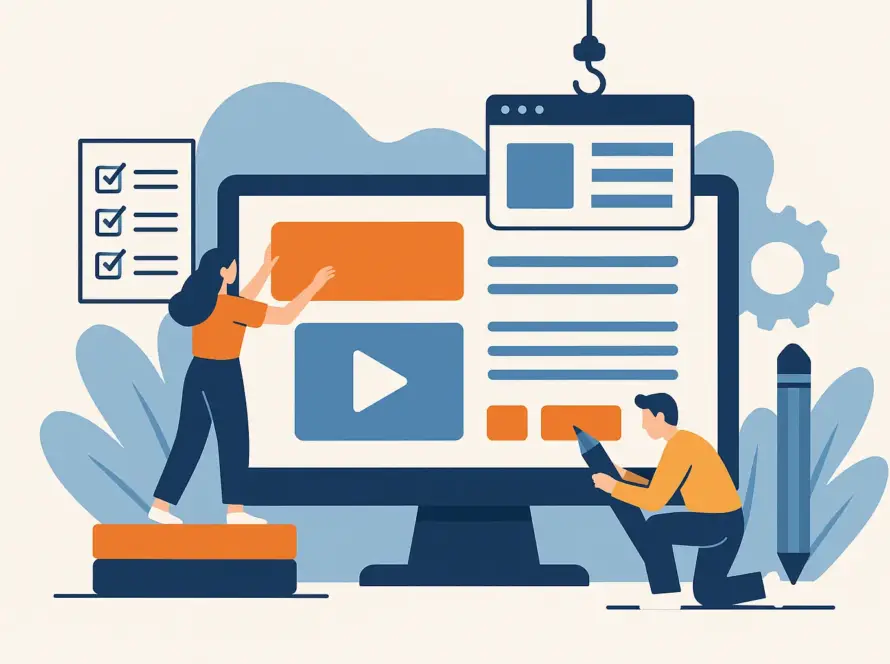
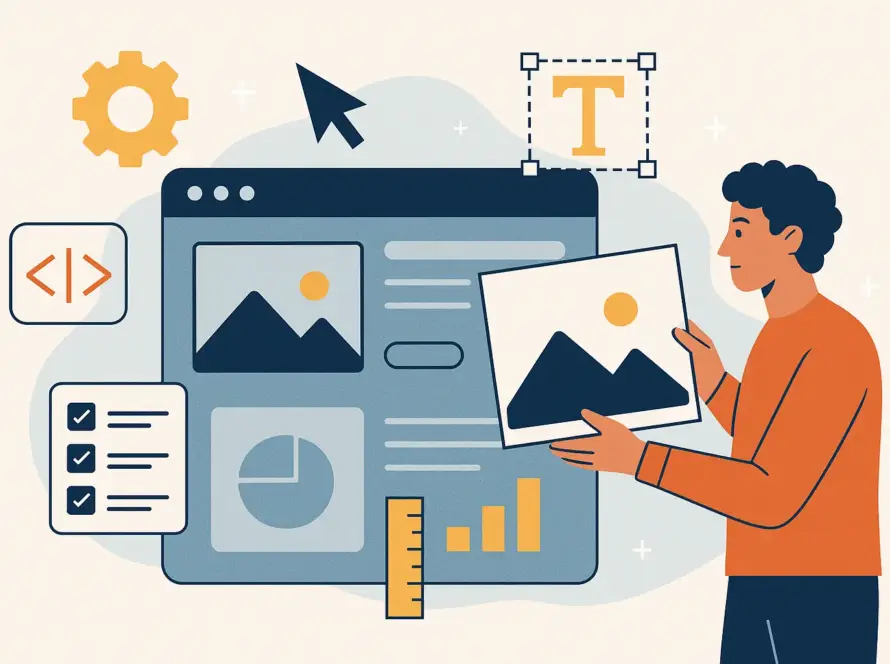
Website redesign involves revamping either visual or structural elements of your website without necessarily building an entirely new one. The primary goal is ensuring the current site meets the evolving expectations of your prospects.
Two Types of Website Redesigns:
- Visual Redesign: Focuses on modernizing your website’s appearance by refreshing graphic elements, visual identity, and interface usability.
- Structural Redesign: Involves reorganizing your website’s architecture and functionality based on a detailed analysis of visitor behavior. It may require switching to a more suitable CMS (Content Management System) and typically includes SEO enhancements.
Ideally, a comprehensive redesign combines both visual and structural improvements. For high-quality results, expect the redesign process to span several months, typically repeating every three years. However, with modern development methods, websites can undergo more frequent incremental improvements to enhance commercial performance continuously.
Why Redesign Your Website?
Several common indicators signal the need for a website redesign:
- Low traffic and insufficient lead generation.
- Poor visibility on search engines.
- Unsatisfactory conversion rates.
- Outdated visual design.
- Suboptimal user experience (UX).
- Slow loading speeds.
- Lack of mobile optimization.
- Absence of marketing automation.
- Difficulty updating content internally.
Key Benefits of Redesign:
- Improved conversion rates and website traffic.
- Enhanced competitive positioning.
- Effective communication of your value proposition.
- Strengthened brand identity and user experience.
Conducting a Pre-Redesign Audit
Before launching a redesign, perform a thorough audit to analyze your website’s current performance, covering:
Conversion Audit:
- Evaluate content effectiveness and relevance.
- Analyze the visibility and clarity of calls-to-action (CTAs).
- Review landing page attractiveness and form simplicity.
UX Audit:
- Ensure intuitive navigation.
- Assess the effectiveness of homepage messaging.
Technical Audit:
- Measure loading times and identify bottlenecks.
- Evaluate current CMS suitability.
- Check compatibility across multiple devices.
SEO Audit:
- Optimize URLs, metadata, internal/external links.
- Ensure images are properly sized and contain alt-text.
- Create relevant, keyword-focused content.
Creating a Clear Specification Document
A detailed specification (terms of reference) is essential for effectively communicating your project to service providers, highlighting your expectations, objectives, and necessary features:
- Company overview and website audit results.
- SMART goals: Specific, Measurable, Achievable, Realistic, Time-bound.
- Defined target audience and intended functionalities.
- Graphic guidelines and visual preferences.
- Technical and structural requirements.
- Desired deliverables, timelines, and follow-up protocols.
Choosing Your Service Provider
Select between freelancers or digital agencies based on your budget and project needs:
- Freelancers offer flexibility and affordability.
- Agencies provide diverse expertise and integrated management.
- Carefully evaluate provider experience, methodology, responsiveness to your specifications, and communication style.
Selecting Your CMS
Two prominent CMS platforms:
HubSpot:
- Intuitive interface and comprehensive inbound marketing tools.
- Built-in SEO and campaign tracking features.
- Pricing varies depending on company size and database.
WordPress:
- Highly customizable, widely used, and budget-friendly.
- User-friendly, excellent SEO capabilities, and regular security updates.
Ensuring Long-Term Success
Implement Growth-driven design (GDD) to continuously optimize your website without needing large-scale overhauls. Regularly monitor key performance indicators (KPIs), conduct A/B testing to refine strategies, and apply insights for continuous improvements.
Enhance ROI with marketing automation tools like HubSpot to efficiently nurture leads. CRM systems can also facilitate better customer management and significantly boost conversions.
Keeping Your Website Dynamic
Regularly update your website with fresh, valuable content and leverage social media platforms to engage and attract prospects. A consistently evolving website aligns better with shifting consumer behaviors and digital advancements.
Taking these steps ensures your website stays relevant, engaging, and effective, ultimately driving long-term business growth.